Galleries that want a wall of screens playing in perfect sync usually face an ugly choice: proprietary media servers that cost more than the artwork, or fragile DIY scripts that drift out of alignment mid-exhibition. kSync is my answer to that problem: an open-source media synchronization and automation platform running on a custom Embedded Linux distribution for Raspberry Pi hardware, built for artists and institutions that need frame-accurate playback without the enterprise price tag.
The software engine uses GStreamer for video processing and implements a multi-tier synchronization strategy. A central Leader node broadcasts UDP sync packets while Collaborator nodes calculate temporal deviation using an exponentially weighted moving average filter to compensate for network latency. Minor offsets are corrected by a proportional controller that gently adjusts playback rate; larger deviations trigger accurate flushing seeks. The result is sub-10ms alignment with no visible stutter.
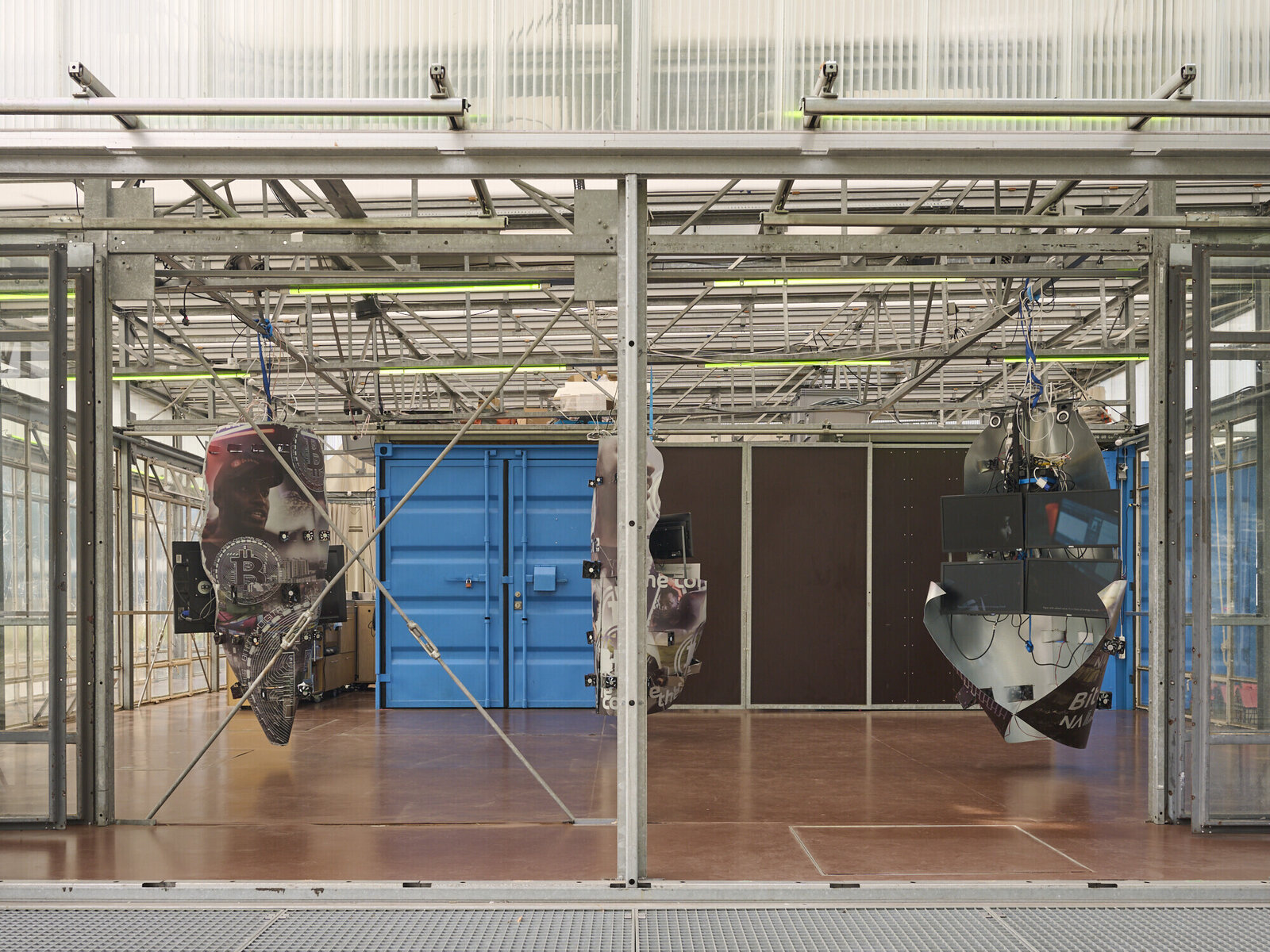
Beyond video, kSync conducts entire physical environments from a single protocol-agnostic timeline: DMX lighting, MIDI audio, serial motor control, and WebSocket messaging, all scheduled against the media clock. Deployment is deliberately gallery-proof: provisioning a node means inserting a USB drive with the media and a config file, so no specialized IT staff is needed on site. The system has run 24/7 in public Berlin exhibitions, in one case synchronizing 11 displays while coordinating kinetic sculpture rotations over serial motor control.
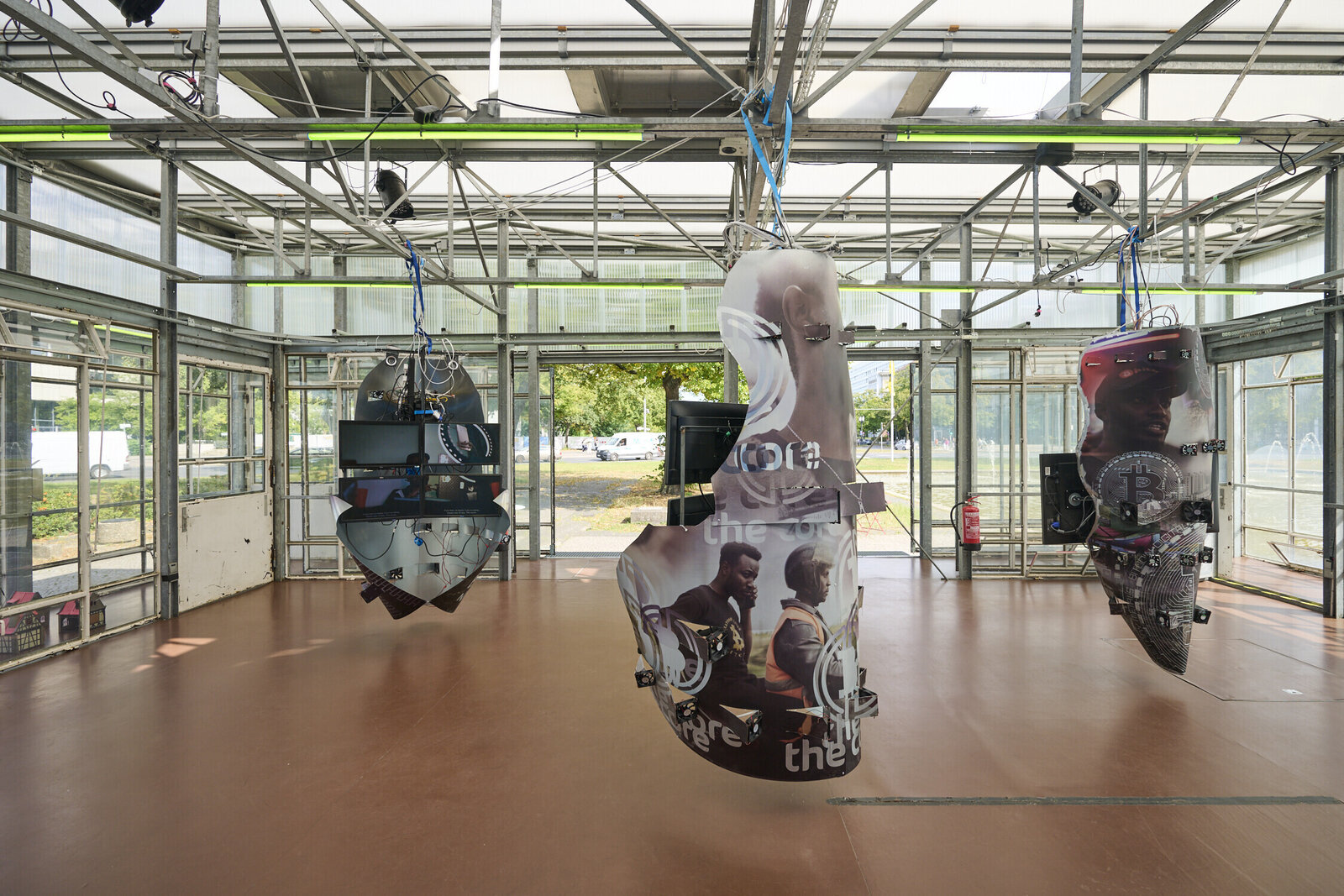
kSync synchronized 11 displays and coordinated kinetic rotations via serial motor control.
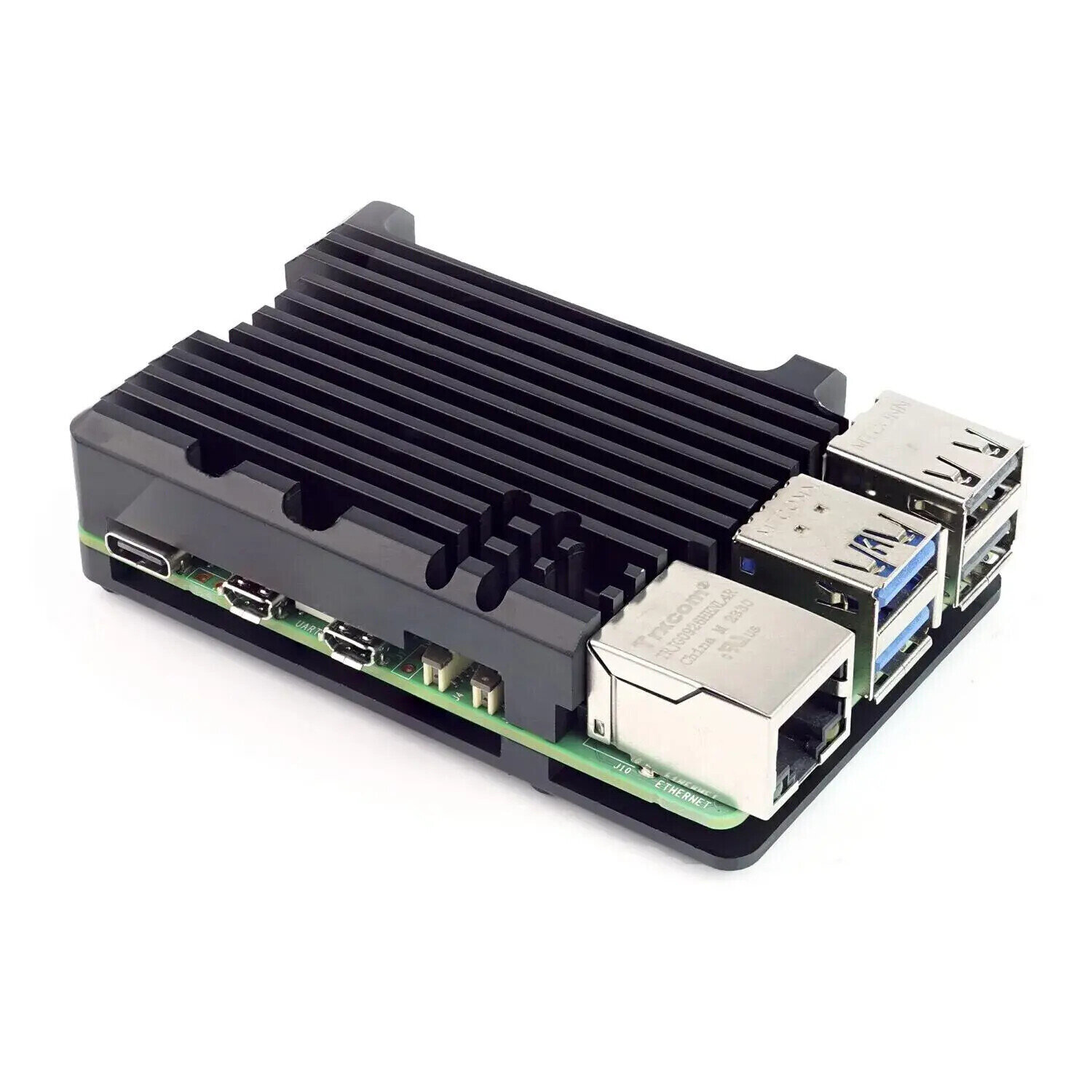
The kSync hardware node, an optimized Raspberry Pi in a custom enclosure.
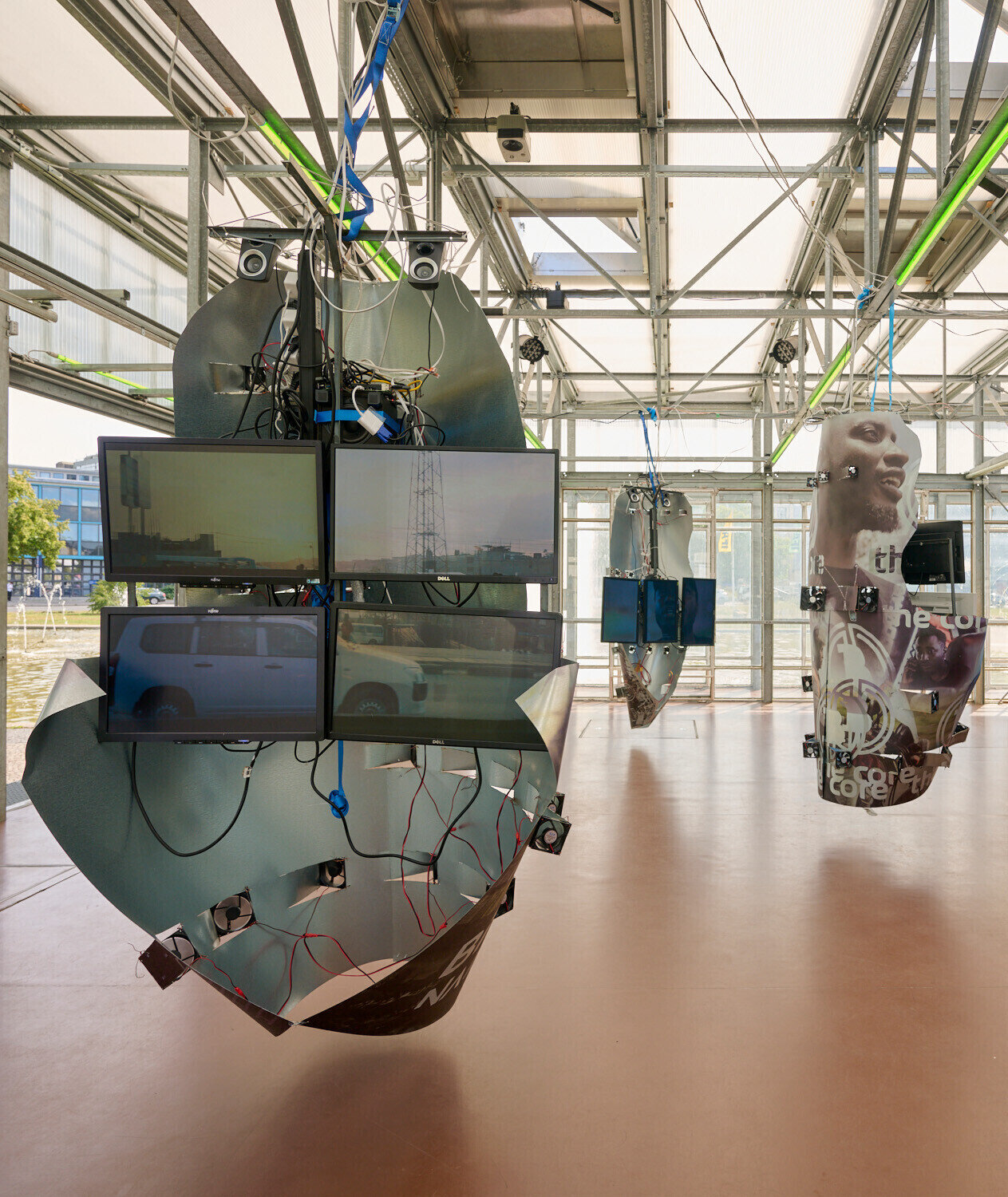
Vertical display synchronization in a gallery environment.